
🕌 Ancient Heritage • 🏜️ Desert Wonders • 🏰 Iconic Cities • ✨ Luxury Escapes
Some places don’t leave you even after you’ve come home. They linger in your senses, in your everyday habits, in the way you reimagined & learned what “luxury” really means.
For us, right now, that’s Morocco. Not the postcard version; we’re talking about the lived-in journeys that take you through the heart & history of Morocco. The version that feels less like a destination and more like a living museum where history isn’t roped off behind glass, but is still a work in progress: worn, traded, prayed over, and passed down.
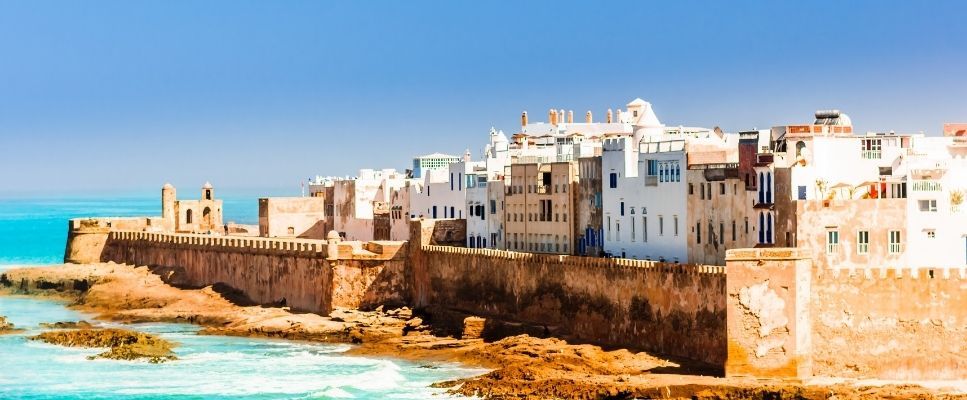
The Greats: Fes, Chefchaouen, and the Art of Time Travel
In Fes, one of the most historic landmarks you’ll encounter isn’t a palace or a gate; it’s a tannery, working since the 11th century AD. You’ll see a craftsman up to his knees in crimson dye, and realize that exact shade of red has been made using a process curated by ancient Moroccans for over 2,000 years. It smells… historic, and utterly unforgettable.
Fes is a UNESCO World Heritage city where the medina itself is the monument, and in that moment it’s just you at the center, surrounded by local lifestyles that transport you back to a city that has defied the ruin of time. Look around you, and you will see Zellij tiles line walls in impossible geometry & calligraphy carved across doorways with quiet authority that has withstood the plunder of the ages. Pottery, brasswork, and leather goods aren’t souvenirs here; they’re functional art forms that still serve daily life.
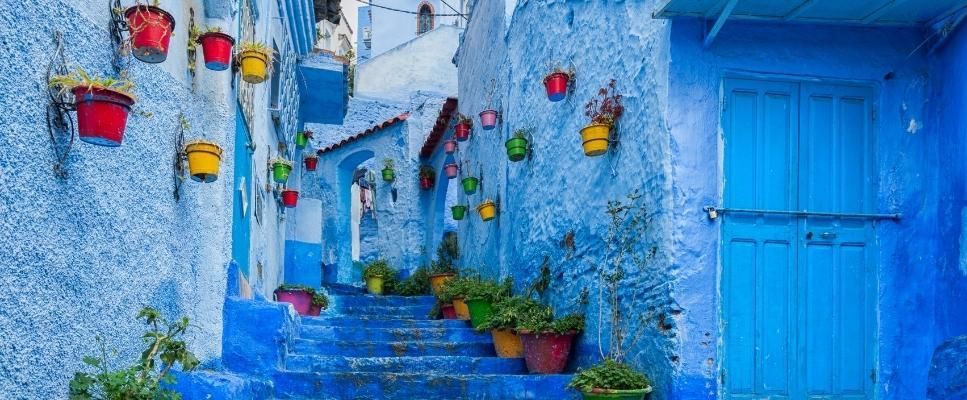
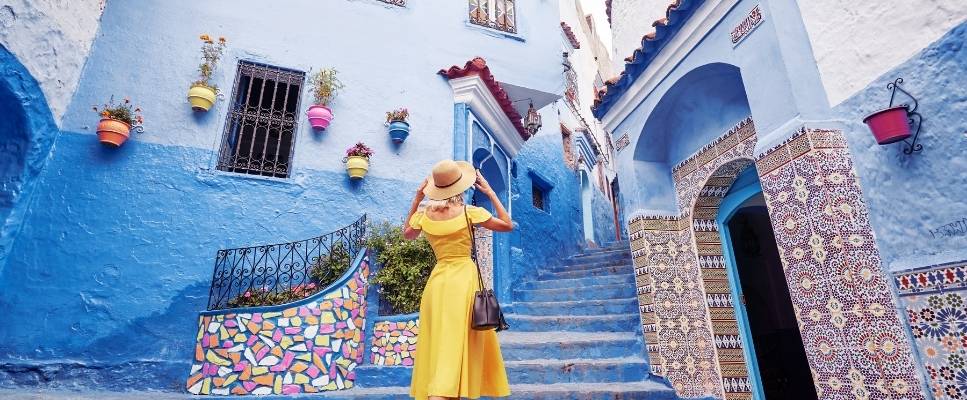
And the famous blue of Chefchaouen? It’s not a filter, or a trick of light. It’s hand-mixed paint, fastidiously reapplied every year. It’s a specific, slightly chalky shade you can’t quite capture on camera, so you stop trying and just walk. You get a coffee, you wander, and you realize the point isn’t the photo. It’s the feeling of being inside a watercolour artwork that someone is still painting.
Meknes to Marrakech: Imperial Cities, Living Craft
Meknes, often overlooked but quietly powerful, is another UNESCO-listed imperial city, where monumental gates like Bab Mansour remind you that Morocco’s grandeur was once about scale, symmetry, and permanence. The nearby ruins of Volubilis add Roman layers to an already complex cultural story.
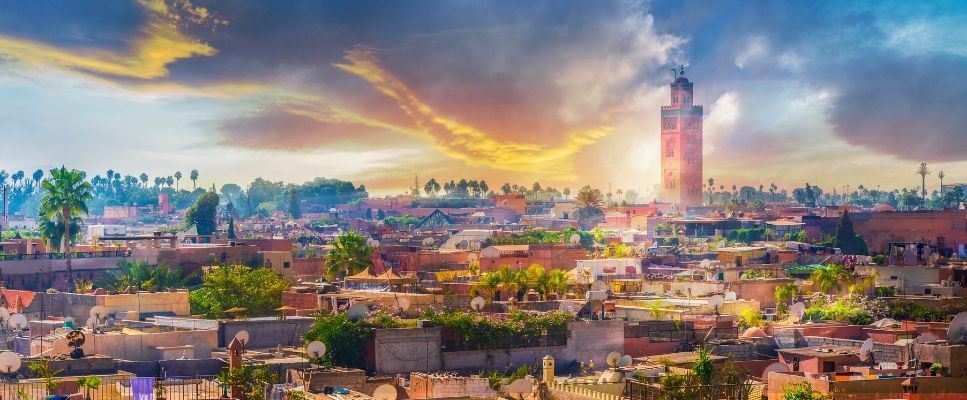
Marrakech, of course, is the flagship. But beyond the energy of Jemaa el-Fnaa lies a city of palaces – Bahia, El Badi, Dar El Bacha – where carved cedar and hand-plastered walls speak to an obsessive attention to detail that borders on reverence. The souks here are not just markets; they are cultural landmarks. Weaving, dyeing, metalwork, and wood carving all happen in plain sight, as they have for generations. You don’t just shop; you witness continuity whose origins started almost 20 centuries ago.
Sit with a family who has been in the rug business for decades and they’ll tell you the story in the wool. No pressure. Just tea, texture, and time.
Rabat, Casablanca and Tangier: Where Heritage Meets Modern Morocco
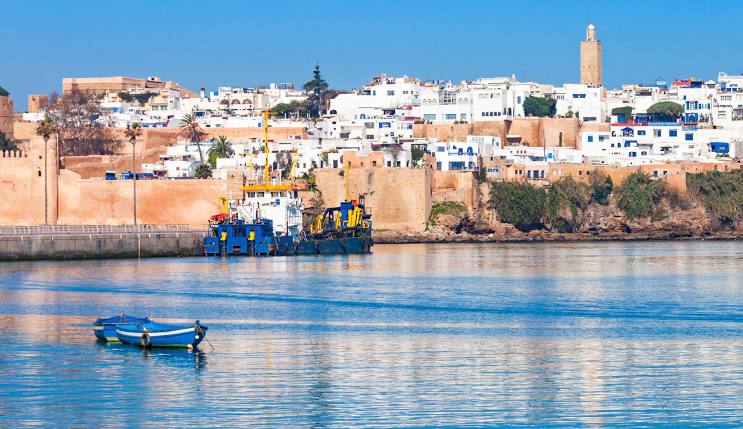
Morocco’s story doesn’t stop in the past. Rabat and Casablanca form the country’s contemporary gateway, where heritage meets modern charm. Rabat, a UNESCO-listed capital, balances royal history with calm, coastal elegance. Think ancient qasbahs alongside wide boulevards and art galleries.
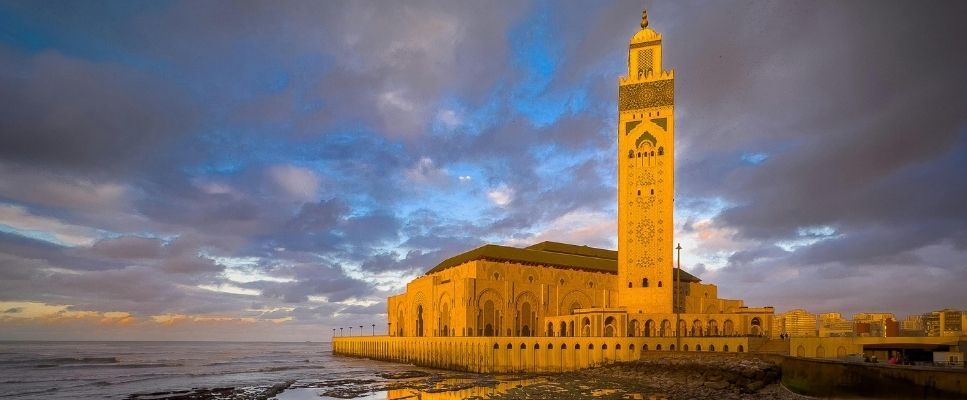
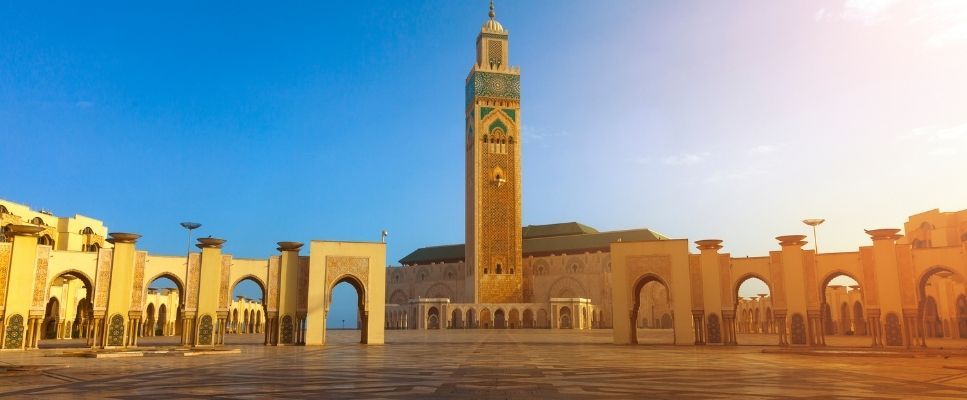
Casablanca brings scale and confidence. The Hassan II Mosque – one of the largest in the world – anchors the city with spiritual gravity, while Art Deco buildings and modern cafés signal a country firmly facing forward. For travellers flying in from the UAE, these cities offer a natural entry point into Morocco’s layered identity.
Further north, Tangier sits at the crossroads of continents. Europe and Africa feel close enough to touch. Writers, traders, and dreamers have passed through these regions for centuries, celebrating a city that feels worldly, windswept, and quietly magnetic.
Luxury, Redefined
In Morocco, luxury isn’t about excess. It’s about access to silence, to craft, and time.
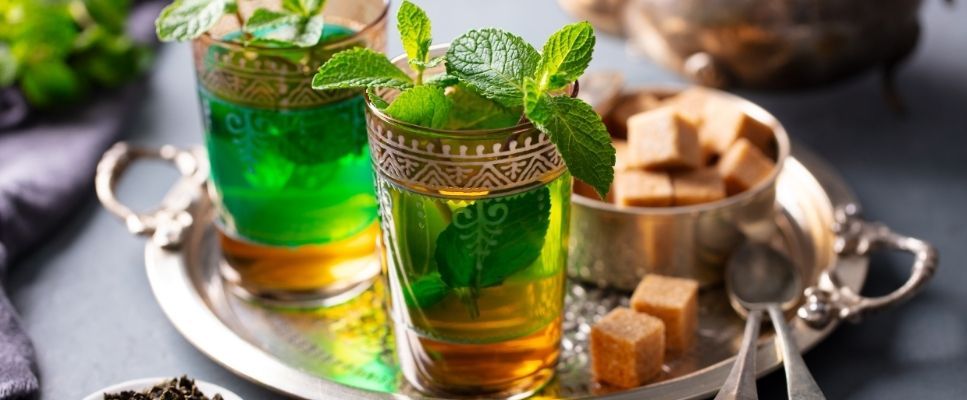
It’s sitting in a riad courtyard at 4 PM when the sun hits just right, deciding between mint tea or coffee. It’s knowing the logistics are handled – the permits, the smooth drives through the Atlas Mountains, the perfectly timed check-ins – so all you have to do is be present.
It’s getting lost in a souk and finding your way back by the smell of bread. It’s tasting ripe dates that are somehow just not the same as here. It’s watching the Dades Valley shift from beige to gold to pink as if the landscape itself is showing off, knowing you are here for the views.
The Morocco That Stays With You
A good trip gives you souvenirs you can’t pack:
The memory of an earthy, unmistakable scent.
The rhythm of a language you don’t speak but start to understand.
The quiet confidence that comes from getting a little lost in different traditions, and finding your way back through a new mindset.
That’s the Morocco we know.
Layered. Alive. Still being made.
Let’s find yours.
So, Where to Go From Here?
We build trips for that feeling. We find the riad with a good courtyard, not just the big pool. We map the drive through the Atlas Mountains that has the right pull-offs for the views that actually make you say “wow” out loud. We’ll take you to Marrakech, where generations have been in the rug business, and they’ll tell you the story in the wool while you drink tea, no pressure to buy.
We handle the permits, the smooth car, the check-ins. You get the time. Time to notice that the dates here taste different. Time to get a little lost in a souk and find your way back by the smell of bread. Time to sit in the Dades Valley as the rocks turn from beige to gold to pink, like they’re showing off.
A good trip gives you souvenirs you can’t pack. The memory of that specific, earthy smell. The sound of a language you don’t speak but starts to sound familiar. The quiet confidence of knowing you got a little lost and found your way back. That’s the stuff that sticks. That’s the Morocco we know. Let’s find yours.