
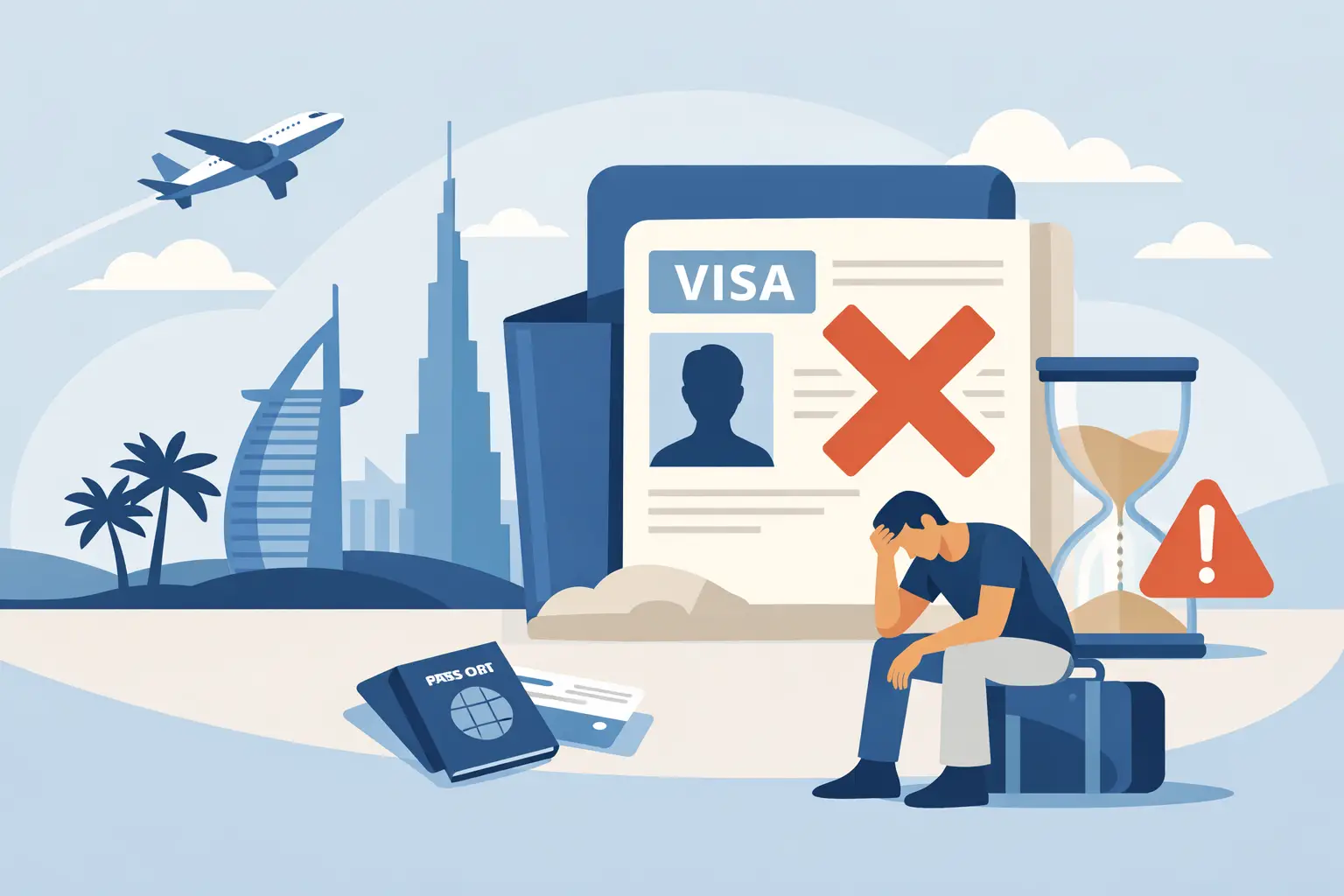
Visa Rejection Reasons UAE Travellers Should Know
A visa refusal can derail a holiday, delay a family trip, or turn a carefully planned itinerary into a last-minute scramble. The good news is that most Visa rejection reasons UAE travellers face are avoidable when the application is prepared properly and checked with care.
For many travellers, the problem is not eligibility alone. It is missing details, inconsistent paperwork, or submitting documents that do not match the destination country’s latest rules. That is why understanding the most common reasons matters before you apply, not after you receive a rejection.
The most common visa rejection reasons UAE applicants face
One of the biggest reasons for refusal is incomplete documentation. A missing bank statement, unclear passport copy, incorrect photograph size, or unsigned application form may seem minor, but many embassies treat these as enough reason to reject an application. Some countries are stricter than others, so even a small error can cause a delay or outright refusal.
Financial proof is another frequent issue. If your bank statements do not show stable income, sufficient balance, or a clear ability to fund the trip, the visa officer may question whether you can support yourself during travel. Large last-minute deposits can also raise concerns if they do not match your usual account activity.
Travel history can affect the outcome too. A weak travel record does not automatically mean rejection, but for some destinations it can make the application harder to assess. Previous visa overstays, immigration violations, or a history of rejected visas can create extra scrutiny.
Another common problem is inconsistency across documents. If your employment letter says one salary, your bank statement suggests another, or your travel dates do not match your hotel and flight booking, the application can appear unreliable. Visa officers look closely at whether the full story makes sense.
Why intent and ties to home matter
Many applicants are surprised to learn that a visa decision is not based only on documents. Officers also assess travel intent. If they are not convinced that the purpose of the trip is genuine, or if they believe the applicant may not return after the visit, refusal becomes more likely.
This is where ties to your home country or country of residence become important. A stable job, family responsibilities, business ownership, tenancy, or ongoing commitments can help show that you plan to return. If an application does not clearly demonstrate these ties, it may be seen as high risk.
This does not mean every traveller needs a long history of international travel or a high income. It means the application should present a clear, believable case. A short holiday with realistic spending, matching bookings, and proper employment proof is stronger than an application that looks rushed or unclear.
Mistakes that happen before submission
Timing causes more problems than people expect. Applying too late can lead to rushed paperwork and missed requirements. Applying too early can also be an issue for countries that only accept applications within a certain window.
Passport validity is another overlooked reason. Many destinations require at least six months of validity beyond the travel date, along with blank pages. Damaged passports or unclear scanned copies can also affect approval.
Some travellers use placeholder bookings or inaccurate itineraries just to complete the file. That can backfire if the embassy checks details or notices that the trip plan is unrealistic. A strong application should feel complete, consistent, and honest from start to finish.
How to reduce the risk of rejection
The best approach is to treat the visa application as part of the trip, not as a formality. Start early, check the latest destination rules, and make sure every document supports the same travel story. Your passport, bank statements, employment proof, hotel reservation, flight details, and cover letter should all align.
If you are self-employed, recently changed jobs, or have irregular income, that does not mean rejection is inevitable. It simply means your file may need stronger supporting documents. In these cases, clear business papers, tax records, or an explanation letter can make a real difference.
Professional review also helps, especially for families, honeymoon travellers, or anyone applying for a destination with stricter entry requirements. A second check can catch mismatched dates, missing documents, or presentation issues before they become expensive problems.
What to do if your visa is rejected
A rejection is frustrating, but it is not always the end of your travel plans. First, identify the exact reason given by the embassy or visa centre. Some refusals happen because of a correctable issue, such as missing proof or incomplete forms. Others may require you to wait, improve your documentation, or choose a more suitable time to reapply.
Avoid submitting the same application again without fixing the original problem. Reapplying with no changes usually leads to another refusal. Instead, review the paperwork carefully, correct the weak points, and only proceed when the file is stronger.
For travellers who want less stress and more confidence, working with an experienced visa support team can save time and reduce avoidable errors. At Happy Journey, the goal is simple – make travel planning easier, clearer, and far more comfortable from the first document to final departure.
A visa decision is never based on one factor alone. It is the overall picture that counts, and when that picture is clear, consistent, and well prepared, your chances improve significantly.

Recent Posts


How to Apply for a Schengen Visa from UAE