
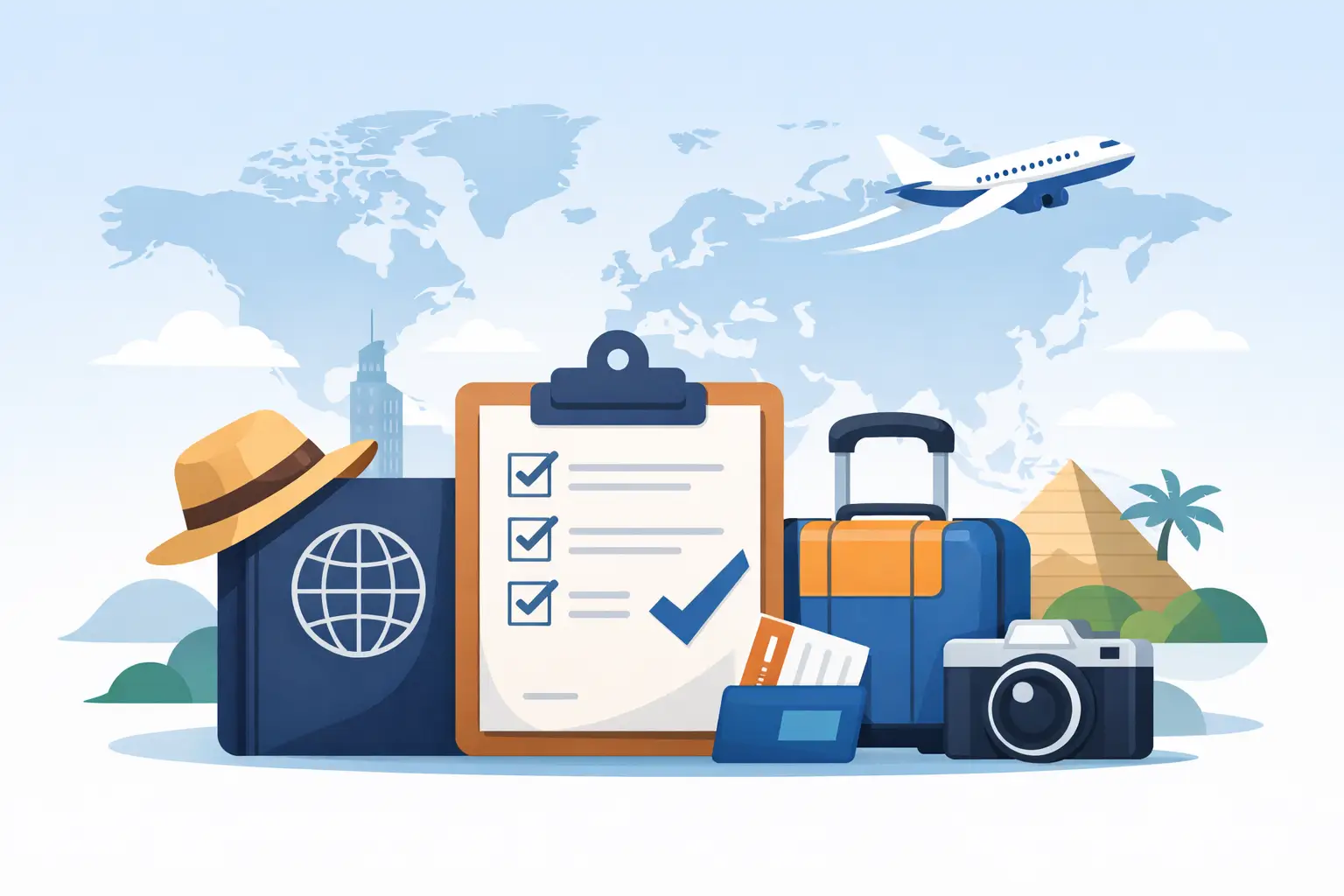
Visa Checklist for First Time Travellers
That holiday feels real the moment someone asks, “Have you sorted your visa yet?” For many people, that is where the excitement pauses and the worry starts. A clear visa checklist for first time travellers can save you from rushed paperwork, avoidable refusals and the kind of last-minute stress that turns a dream trip into a headache.
The truth is that visa planning is less about filling in one form and more about proving that your trip makes sense on paper. Different countries ask for different things, and even straightforward destinations can reject an application if details do not line up. If this is your first time applying, the safest approach is to prepare early, check every document carefully and leave room for delays.
Why a visa checklist for first time travellers matters
First-time travellers often assume the hardest part is choosing the destination. In practice, the tricky part is understanding what the embassy, consulate or visa processing centre wants from you. A missing bank statement, an expired passport or a hotel booking in the wrong name can create delays very quickly.
A good checklist keeps you focused on three things – eligibility, documentation and timing. It also helps you avoid common mistakes such as booking non-refundable flights too early or using documents that do not match your passport exactly. When everything is prepared properly, the process feels much more manageable.
Start with the basics before you apply
Before collecting documents, confirm whether you actually need a visa for your destination and what type of visa fits your trip. A tourist visa is different from a business visa, and a short-stay visa is different from a long-stay one. Applying for the wrong category can waste both time and money.
You should also check your passport validity. Many countries require at least six months’ validity from the date of travel, and some ask for blank pages as well. If your passport is close to expiry, renew it first. It is much better to deal with that early than to discover the issue midway through your application.
Your travel dates matter too. Some embassies accept applications only within a certain window before departure. Apply too late and you risk not receiving the visa in time. Apply too early and your application may not be accepted yet. This is one of those areas where timing really depends on the country.
The core documents most travellers need
Most tourist visa applications are built around the same foundation. Even when destination rules vary, there are a few documents that appear again and again.
Your passport is the obvious starting point, but it must be in good condition and match every other document exactly. If your name is spelt differently on your bank statement, flight reservation or hotel booking, fix that before submitting anything.
You will usually need passport-size photographs that meet the destination’s specific requirements. This sounds simple, but many applications are delayed because of incorrect background colour, image size or photo quality. It is always worth checking the latest photo specification rather than reusing old photographs.
A completed visa application form is another standard requirement. Fill it in carefully and keep your answers consistent with your supporting documents. If you say you are staying seven days, your flight and hotel bookings should reflect seven days as well.
Most first-time travellers also need proof of travel plans, which often includes a return flight reservation and hotel confirmation. Some countries want a full itinerary, especially if you are visiting multiple cities. Others are satisfied with basic confirmed bookings. This is where professional support can make a real difference, particularly if you want your documents arranged properly from the start.
Financial documents can make or break the application
One of the biggest reasons for visa delays is weak financial evidence. Countries want to see that you can afford your trip and that your finances are stable, not suddenly inflated for the sake of the application.
Bank statements are commonly required, usually for the last three to six months. The exact period varies. What matters is that the account activity looks genuine and that your balance supports the trip you are planning. If you are applying for a premium holiday with luxury hotel stays but your financials do not support that, the application may raise questions.
Salary slips, an employment letter or proof of business ownership may also be needed. If you are self-employed, retired or sponsored by someone else, the document mix changes. That is why a checklist is useful, but personal circumstances still matter. There is no single file that suits every traveller.
If someone is sponsoring your trip, you may need a sponsorship letter, proof of relationship and the sponsor’s financial documents. Families travelling together often find this part confusing, especially when one person is paying for several travellers. The paperwork needs to be clear about who is funding what.
Employment, family and travel history documents
Many embassies want reassurance that you have strong reasons to return home after your trip. That is why employment and family documents often support a tourist visa application.
If you are employed, a letter from your employer may confirm your job title, salary, leave approval and return-to-work date. If you run your own business, trade licence documents or company papers may help. If you are travelling with children, you may need birth certificates and, in some cases, consent documentation if one parent is not travelling.
Travel history can also strengthen an application. Previous visas and entry stamps show that you have travelled before and followed immigration rules. If this is your first international trip, do not worry – it does not mean you cannot get a visa. It simply means the rest of your documentation should be particularly well prepared.
Your visa checklist for first time travellers
To keep things practical, here is the set of documents most first-time applicants should prepare before submitting a tourist visa application:
- Passport with sufficient validity and blank pages
- Correctly completed visa application form
- Recent passport-size photographs as per specification
- Return flight reservation or travel booking
- Hotel booking or accommodation proof
- Bank statements for the required period
- Salary slips or proof of income
- Employment letter or business documents, where relevant
- Travel itinerary, if requested
- Travel insurance, if required by the destination
- Cover letter explaining the purpose of the trip, if needed
- Sponsor documents, if someone else is funding the travel
This checklist is a strong starting point, but always remember that some destinations ask for extra items such as marriage certificates, tenancy agreements or national ID copies. The details depend on where you are going and your personal profile.
Common mistakes first-time travellers should avoid
The most common issue is inconsistency. If your application says one thing and your documents say another, the file becomes harder to trust. Keep your dates, names, passport number and trip details identical across every document.
Another mistake is assuming that a hotel or flight booking alone guarantees visa approval. It does not. These bookings support your travel plan, but the embassy is assessing your overall credibility and documentation.
People also underestimate processing times. Public holidays, embassy closures and high travel seasons can slow things down. If you are planning a family holiday during a peak period, leave extra time. Rushing a visa application rarely ends well.
Finally, avoid submitting unclear scans, cropped documents or statements with missing pages. Presentation matters. A tidy, complete application is easier to process and more likely to create confidence.
When professional visa support makes sense
If you are travelling for the first time, managing the process alone can feel overwhelming, especially when destination rules change or your case is not straightforward. Families, honeymoon couples, sponsored travellers and anyone with a tight departure date often benefit from guided support.
A travel agency with visa experience can help you understand which documents matter, how to arrange them and whether anything looks weak before submission. That does not mean every application is guaranteed, because visa decisions always rest with the relevant authorities. What it does mean is fewer avoidable mistakes and a smoother experience overall.
For travellers in Abu Dhabi who want reassurance as well as speed, working with an experienced team can take a lot of pressure off the planning stage. When your visa, flights and hotel arrangements are handled in a coordinated way, the trip starts to feel exciting again rather than administrative.
Before you submit, do one final check
Review your entire application as if you were seeing it for the first time. Does the story make sense? Can someone clearly understand where you are going, how long you are staying, who is paying and why you will return home after the trip?
That final review is often where small but important issues are caught. A missing signature, an incorrect travel date or an outdated bank statement may seem minor, but these are exactly the details that create delays.
Your first visa application does not need to be stressful. It just needs to be prepared with care. Once your documents are in order, you can stop worrying about paperwork and start looking forward to the part that really matters – enjoying the journey ahead.

Recent Posts

How to Apply for a Schengen Visa from UAE