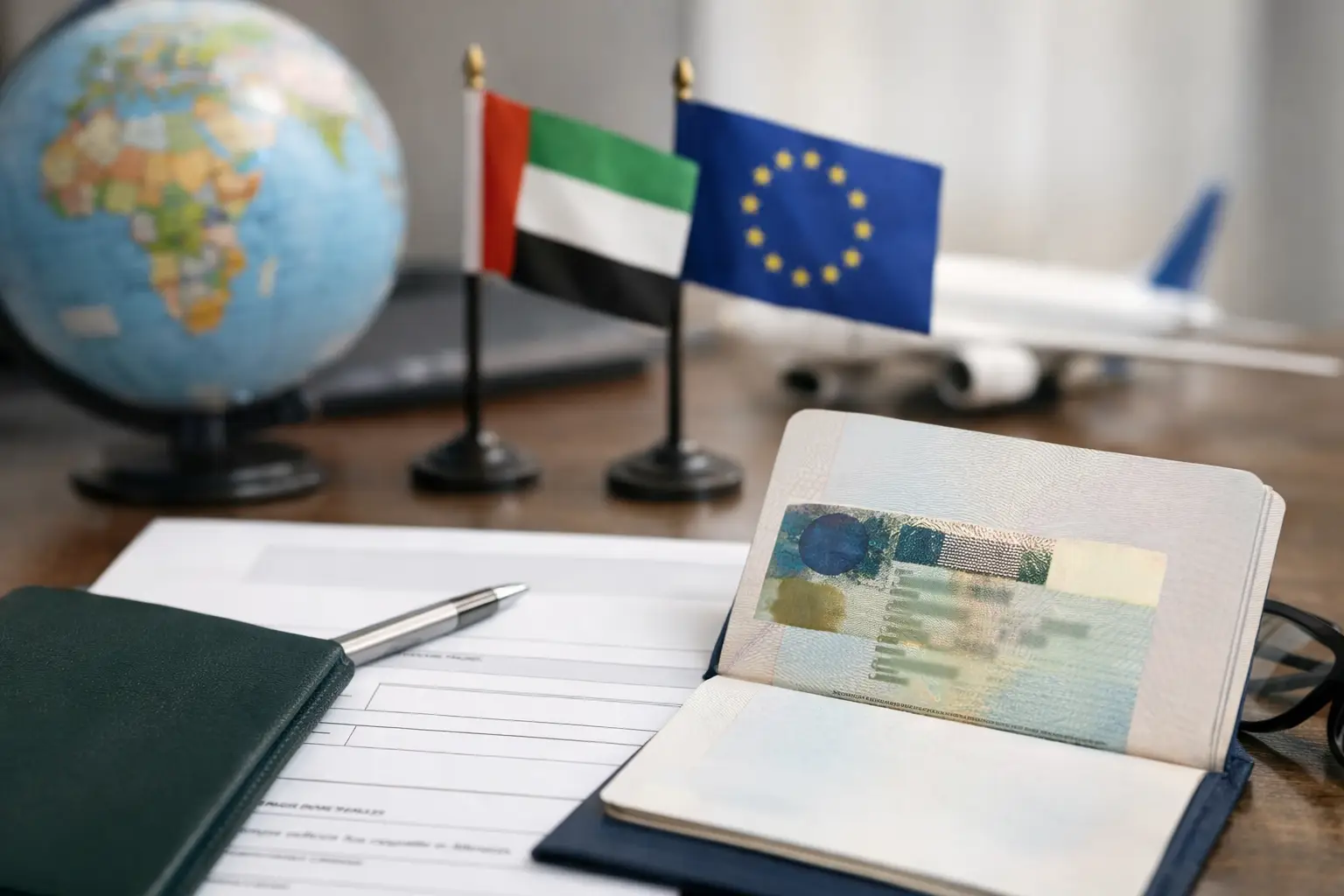
Schengen Visa Application Guide UAE
A Schengen trip can look wonderfully simple on paper – one visa, multiple countries, easy rail journeys, weekend city breaks and family holidays that cover more than one destination. The part that usually causes stress is the application itself. This Schengen visa application guide UAE travellers can rely on is designed to make the process clearer, calmer and much easier to manage.
If you are applying from the UAE, the key is not just collecting documents. It is matching your paperwork to your travel plan, your residency status and the rules of the embassy or visa centre handling your file. Small mistakes such as an unclear bank statement, the wrong hotel dates or choosing the wrong main destination can slow everything down.
Schengen visa application guide UAE travellers should start with
The Schengen visa allows short stays in participating European countries, usually for tourism, family visits, business meetings or short personal trips. In most cases, it covers stays of up to 90 days within a 180-day period. For UAE residents planning a holiday, this can be a practical option because one approved visa may let you visit several countries in one journey.
The first step is deciding where to apply. This depends on your itinerary. If you are visiting one Schengen country only, you generally apply through that country. If you are visiting several, you usually apply through the country where you will spend the most nights. If the stay length is equal across countries, you normally apply through the country you will enter first. This sounds straightforward, but many applications go wrong here, especially when travellers book a multi-city trip without checking which country counts as the main destination.
Before you book anything non-refundable, make sure your route supports your application logic. A Paris-Rome-Amsterdam plan needs consistent dates across flights, hotels and the visa form. If your documents suggest one thing and your cover letter suggests another, the application may attract extra scrutiny.
Who can apply from the UAE
Most travellers applying in the UAE do so as residents, not citizens of the UAE. That means your passport nationality matters, but so does your valid UAE residence visa or Emirates ID status. Embassies and visa centres usually expect proof that you are legally resident in the UAE and will return after your trip.
This is why employed applicants, business owners, dependants and retirees may need slightly different supporting papers. An employed applicant may present a no-objection certificate and salary proof. A business owner may need trade licence documents. A dependant may need proof of sponsorship. The principle is the same in every case – show stable residence, clear finances and a genuine travel purpose.
If your UAE residency is close to expiry, your application can become more complicated. Some embassies prefer a reasonable validity period remaining on the residence visa. It depends on the mission, so this is one of those areas where checking the current requirement before submitting is worth the effort.
The documents that matter most
A complete file does more than tick boxes. It tells a believable travel story. Your passport should usually have enough validity beyond your intended return date and blank pages for the visa. You will also need the completed application form, photographs that match the required specifications, travel insurance, flight reservation, hotel booking or accommodation proof, and financial documents.
Bank statements matter more than many people expect. A healthy balance helps, but consistency matters too. Sudden large deposits with no explanation can raise questions. Regular salary credits, sensible spending patterns and enough funds to cover the trip are usually more reassuring than a last-minute inflated balance.
Employment proof is equally important. If you are employed, your employer letter should confirm your position, salary, leave approval and return to work. If you run your own business, your company documents should support your role and financial stability. If someone else is sponsoring your trip, that sponsorship needs to be documented clearly, with proof of relationship where relevant.
Travel insurance must meet the Schengen requirement and cover the full trip. The safest approach is to ensure the dates match your itinerary exactly, with no gaps. Hotel bookings should also line up with your travel dates. If you are staying with friends or family, follow the relevant embassy guidance for invitation letters and host documents.
How to prepare a stronger Schengen visa application from the UAE
Strong applications are consistent from start to finish. Your travel dates on the form, your flight booking, your hotel confirmation and your insurance should all match. Your reason for travel should also fit your profile. A short family holiday during approved annual leave looks more convincing when every document supports it.
A cover letter can help, especially if your travel plan includes several countries or there is something that needs explanation. Keep it factual. Explain your itinerary, who is paying, what you do in the UAE and why you will return. If there is an unusual bank transaction, a recent job change or a sponsor covering costs, a clear explanation can prevent confusion.
Timing matters too. Applying too late creates pressure. Applying extremely early without settled plans can create inconsistencies if bookings change. In practice, travellers usually do best when they apply with enough time for appointment availability, processing and any unexpected delay.
It is also wise to avoid overbooking your holiday before the visa is approved. A carefully planned itinerary is good. An overly ambitious one with five countries in seven days can look unrealistic. A simpler route is often easier to support and easier to enjoy.
Common reasons applications face delays or refusals
Most problems come down to clarity, not intention. Missing documents are an obvious issue, but incomplete explanations are just as common. If your income is not reflected properly, your travel purpose looks vague, or your UAE ties are weak on paper, the file may not feel convincing enough.
Another issue is submitting documents that are technically present but practically unhelpful. For example, a bank statement with no salary detail, an employer letter missing leave dates, or hotel bookings that can be cancelled immediately without any broader itinerary support. Consular officers assess the application as a whole. If one part feels weak, they look harder at the rest.
Previous travel history can help, but not having it does not automatically mean refusal. First-time travellers can still be approved if the file is strong. On the other hand, frequent travellers with messy documentation can still face problems. There is no substitute for a clean and credible application.
What to expect at the appointment stage
Once you secure an appointment through the relevant embassy channel or visa application centre, attend with your full document set organised in order. Some centres collect biometric data such as fingerprints and a photo, unless you are exempt based on recent previous submissions under the applicable rules.
The appointment itself is usually straightforward, but do not treat it casually. Be punctual, carry originals where required, and make sure you know the basics of your own trip. If you are asked about your itinerary, funding or employment, your answer should match the papers you submitted.
Processing time varies. Some applications move quickly, while others take longer during peak holiday periods or when extra checks are needed. This is one reason many travellers in Abu Dhabi prefer professional guidance before submission. A well-prepared file can reduce avoidable setbacks and save a lot of back-and-forth later.
When professional visa support makes sense
Some travellers are comfortable handling everything themselves. Others would rather avoid the uncertainty, especially when travelling with family, managing a honeymoon booking, or trying to coordinate flights, hotels and leave dates around a busy work schedule. If your case involves dependants, sponsorship, self-employment, or a multi-country route, professional support can be especially useful.
A good travel advisor does not change the embassy decision, but they can help you prepare a cleaner application, spot inconsistencies early and organise your documents properly. That matters when you want your holiday plans to move forward without unnecessary stress. For many UAE residents, that reassurance is part of the value.
At Happy Journey, this is exactly the kind of hands-on support travellers appreciate – practical guidance, responsive service and help turning complicated travel paperwork into a manageable process.
A Schengen holiday should feel exciting long before you board the flight. When your application is prepared carefully, with the right destination logic and documents that genuinely support your case, the process becomes far more straightforward. If you are planning your European break from the UAE, give the paperwork the same attention you give your itinerary, and the whole journey starts on a much better note.
Recent Posts