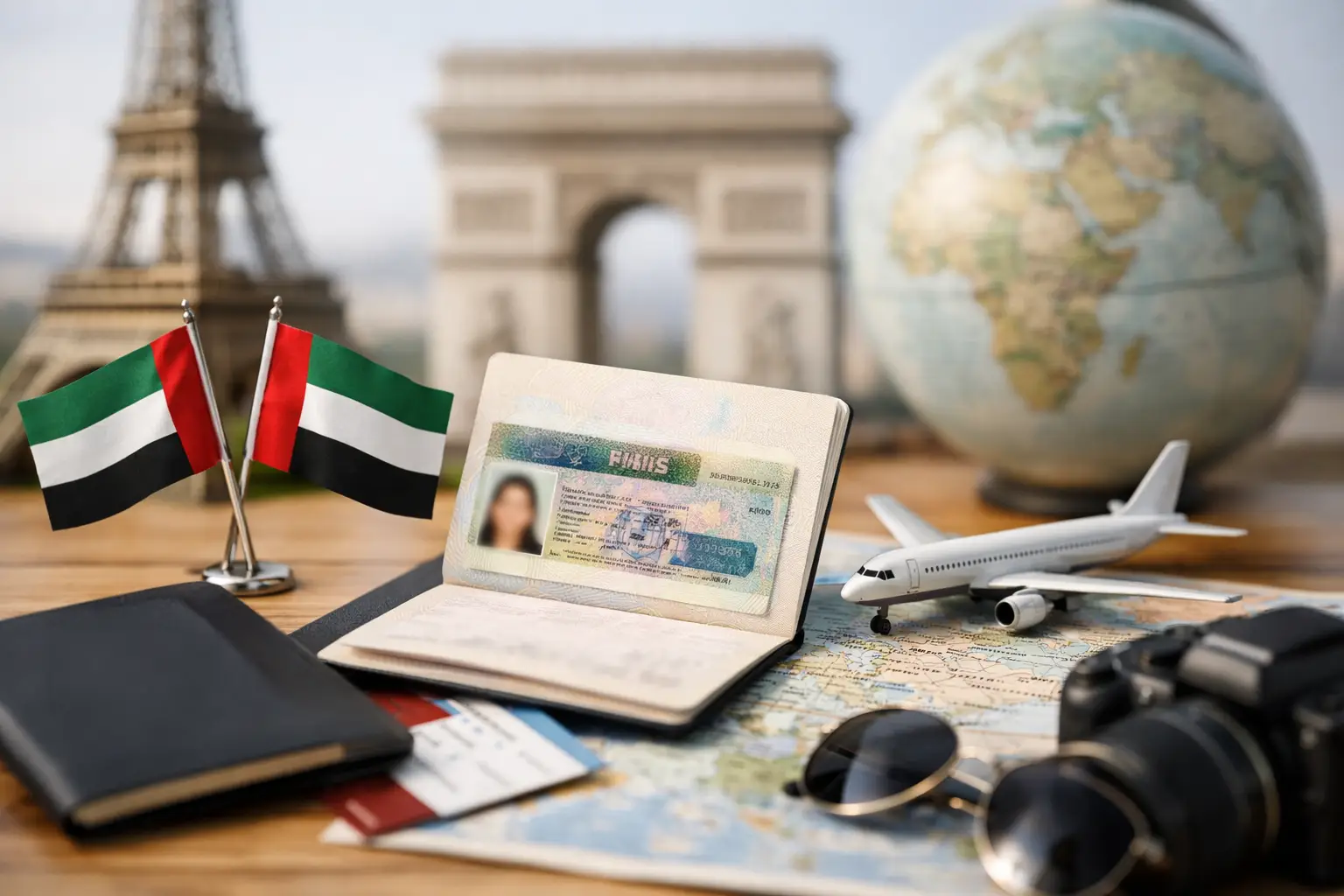
Schengen Visa Requirements for UAE Travellers
A Paris hotel confirmation, a family itinerary through Italy, or a long-awaited Swiss summer break can all depend on one document being approved at the right time. For UAE residents who need one, a Schengen visa is the key to travelling across much of Europe for a short holiday, business visit or family trip.
The process is manageable when it is planned carefully, but it is not a formality. Your destination, travel history, UAE residency status and supporting documents all matter. A well-prepared application gives the visa officer a clear, believable picture of your trip and your reason for returning to the UAE afterwards.
What is a Schengen visa?
A Schengen visa is a short-stay visa that can allow eligible travellers to visit countries within the Schengen Area for up to 90 days in any 180-day period. It is normally used for tourism, visiting relatives or friends, business meetings, short courses, cultural events and similar temporary travel.
One approved visa can make a multi-country European holiday much easier. For example, you may arrive in Italy, continue by train to Switzerland and France, then fly home from Paris, provided your visa is valid for the trip and your itinerary follows the rules of the country that issued it.
A Schengen visa is not permission to work, settle permanently or remain beyond the authorised stay. It also does not guarantee entry at the border. Border officials may still ask to see your return booking, accommodation details, travel insurance and proof that you can support yourself during the stay.
Which country should receive your application?
Choosing the correct consulate is one of the most important parts of a Schengen visa application. Apply to the country where you will spend the most nights. If you will spend the same number of nights in two or more Schengen countries, apply to the country where you will first enter the area.
For a straightforward trip, this is simple. If your itinerary is Dubai to Rome for five nights, followed by three nights in Vienna, Italy is the main destination and should receive the application. If you are spending four nights in Spain and four in Portugal but arriving in Madrid first, Spain would generally be the correct country to approach.
Do not choose a consulate simply because an appointment appears earlier or a friend believes it is easier. An itinerary that does not match the application country may lead to questions, delays or refusal. Your flights, hotel bookings and day-by-day travel plan should support the country you have selected.
Documents that make your application stronger
Each Schengen country has its own checklist and procedures, so always follow the current requirements of the specific consulate or visa application centre. However, most UAE-based applicants should expect to prepare a valid passport, completed form, recent photographs, UAE residence visa and Emirates ID, as well as travel bookings and financial evidence.
Your passport should usually have enough validity beyond your planned departure from the Schengen Area and contain blank pages for the visa sticker. A damaged passport, a residence visa close to expiry or inconsistent personal details can create avoidable issues, so check these early.
Your travel plan should look realistic rather than overly complicated. Confirmed or reserved return flights, accommodation for the full stay and transport between countries, where relevant, help demonstrate the purpose of the visit. A family visiting several cities does not need an hour-by-hour schedule, but it should be clear where everyone will stay and how the journey fits together.
Financial documents deserve particular attention. Recent bank statements should show that you have reasonable funds for the holiday, with income and normal account activity that make sense. Large deposits shortly before an application can raise questions if they are unexplained. Salaried applicants may also need an employer letter stating their role, salary, approved leave dates and intention to return to work.
If you are self-employed, company documents and business bank statements may be useful. For sponsored travel, include a clear sponsorship letter and the sponsor’s financial and identity documents where required. Parents applying with children should prepare birth certificates, consent documents if relevant, and evidence that the child is travelling with the appropriate parent or guardian.
Travel medical insurance is also required. It must meet the relevant Schengen rules, including the necessary minimum medical cover and geographical validity. Do not treat insurance as a last-minute add-on. Check that the policy dates cover the complete journey, including your arrival and departure dates.
When should UAE travellers apply?
Timing can make the difference between an exciting European holiday and a stressful race against departure. In many cases, applications can be submitted up to six months before travel, while the latest acceptable date is often around 15 calendar days before departure. That minimum is not a sensible target, especially during school holidays, Eid breaks, summer travel and year-end periods.
Aim to start preparing documents several weeks before your appointment and submit as early as the rules allow. Appointment availability, processing times and requests for additional documents can vary by country and season. Booking flights or hotels that are non-refundable before receiving the visa can expose you to unnecessary cost.
If your travel date is fixed, build flexibility into your plans. Choose accommodation and flight options with transparent amendment or cancellation terms where possible. A visa application should support your holiday plans, not force you into expensive commitments before approval.
Common mistakes to avoid with a Schengen visa
Most application problems come from gaps, contradictions or rushed paperwork rather than one dramatic error. A passport showing one travel date while the hotel booking shows another can make an otherwise genuine application harder to assess. The same applies to an employer letter that does not match the leave dates on the form.
Avoid submitting incomplete statements, unclear photocopies or documents in a language the consulate does not accept without the required translation. Never use false hotel bookings, invented employment letters or altered bank statements. Visa authorities can verify information, and misleading documents may affect future applications as well as the current one.
It is equally unwise to assume that a previous visa guarantees a new approval. A positive travel history can help demonstrate that you followed earlier visa conditions, but every application is assessed on its own evidence. Changes in employment, income, family circumstances or trip purpose should be explained honestly and clearly.
A simple pre-submission check
Before attending your appointment, compare every document against the latest official checklist for your destination. Make sure names, passport numbers, dates, hotel locations and travel routes agree throughout the file. Keep originals and copies organised, and be ready to explain your plans in plain, consistent terms if asked.
What happens after submission?
At the visa appointment, you will usually provide your documents, submit biometric information if required and pay the applicable fee. The application may then be reviewed by the relevant consulate. Processing time varies, and the consulate can request extra papers or call you for clarification.
If the visa is approved, read the sticker carefully before travelling. Check the validity dates, number of entries and authorised length of stay. A single-entry visa cannot normally be used to leave and re-enter the Schengen Area, even if days remain on it. Your permitted days may also be lower than the number you requested, so plan around what is printed, not what you hoped to receive.
If an application is refused, read the refusal notice closely. It normally identifies the reason and may explain whether an appeal is available. Reapplying immediately with the same weak or incomplete file rarely changes the outcome. Address the stated concern with stronger, relevant evidence before making a new application.
Get your European holiday off to a confident start
A Schengen visa application is strongest when it tells one clear story: you have a genuine reason to travel, a practical itinerary, sufficient funds and firm reasons to return to the UAE. That clarity is especially valuable for families coordinating school holidays, professionals with limited leave and couples planning a special European escape.
For travellers who would prefer experienced help checking documents, appointments and itinerary consistency, Happy Journey in Abu Dhabi can provide attentive visa guidance alongside flights, hotels and tailored holiday arrangements. Start early, keep every detail truthful and consistent, and give your European plans the calm, well-organised beginning they deserve.
Recent Posts